
400 จำนวนผู้เข้าชม |

กาแฟรสผลไม้มาจากไหน ?
.
เคยสงสัยไหมว่า... ทำไมกาแฟบางแก้วจึงมีรสสัมผัสสดชื่นคล้ายส้ม สตรอว์เบอร์รี หรือลิ้นจี่ ทั้งที่ในแก้วมีเพียงกาแฟและน้ำเปล่า?
.
คำตอบที่ง่ายที่สุดคือ เพราะ “กาแฟคือผลไม้มาตั้งแต่ต้นทาง”
.
ความฟรุตตี้ (Fruity) อันเป็นเอกลักษณ์ ไม่ได้เกิดจากการปรุงแต่ง แต่เป็นผลลัพธ์จากธรรมชาติและวิทยาศาสตร์ที่ทำงานร่วมกัน ตั้งแต่การปลูก การแปรรูป ไปจนถึงการคั่วเมล็ดกาแฟคั่วในแต่ละระดับ
.
1.สายพันธุ์ (Variety)
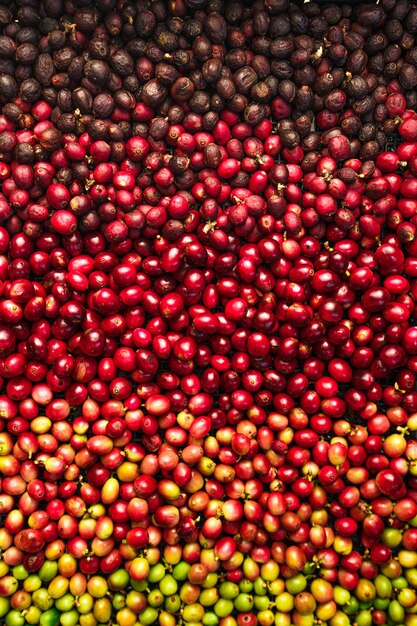
เมล็ดกาแฟคั่วแต่ละชนิดมีจุดเริ่มต้นจากสายพันธุ์ที่แตกต่างกัน Arabica มักให้โทนผลไม้และความละเอียดซับซ้อนมากกว่า Robusta ที่เน้นความเข้มและบอดี้หนักแน่น ส่วนสายพันธุ์พิเศษอย่าง Geisha หรือสายพันธุ์พื้นเมืองเอธิโอเปีย มักให้กลิ่นดอกไม้และผลไม้โดดเด่น ซึ่งส่งผลต่อเอกลักษณ์ของเมล็ดกาแฟคั่วตั้งแต่ต้นทาง
.
2. แหล่งปลูก (Terroir)
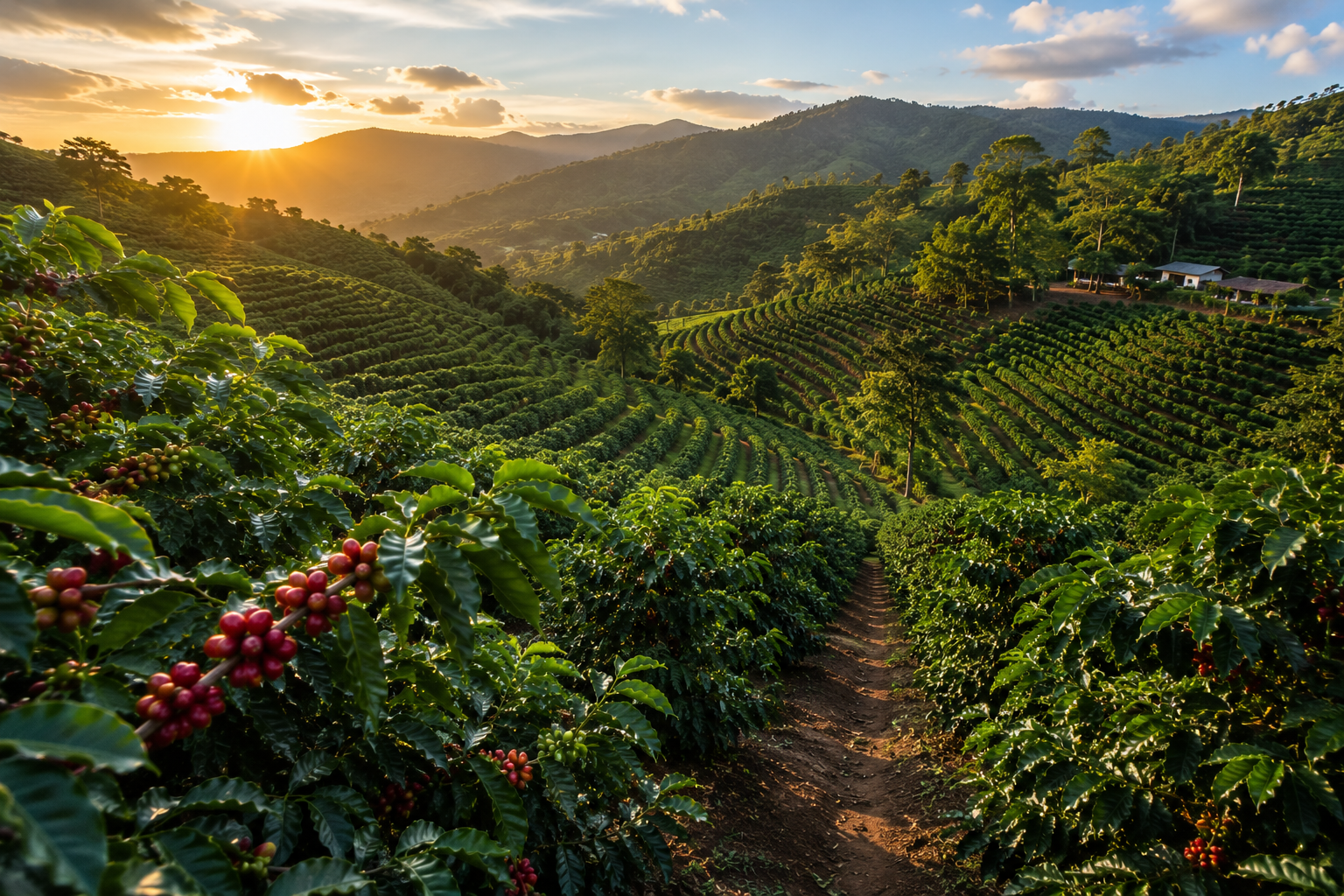
ความสูงจากระดับน้ำทะเล สภาพอากาศ และสารอาหารในดิน มีผลโดยตรงต่อการพัฒนาน้ำตาลและกรดอินทรีย์ธรรมชาติ ยิ่งปลูกในพื้นที่สูงและอากาศหนาวเย็น ผลเชอร์รีกาแฟจะยิ่งสะสมความหวานและรสเปรี้ยวได้เข้มข้นขึ้น ส่งผลให้เมล็ดกาแฟคั่วมีศักยภาพในการแสดงรสชาติผลไม้ได้ชัดเจนมากขึ้น
.
3. การแปรรูปและการหมัก (Processing)
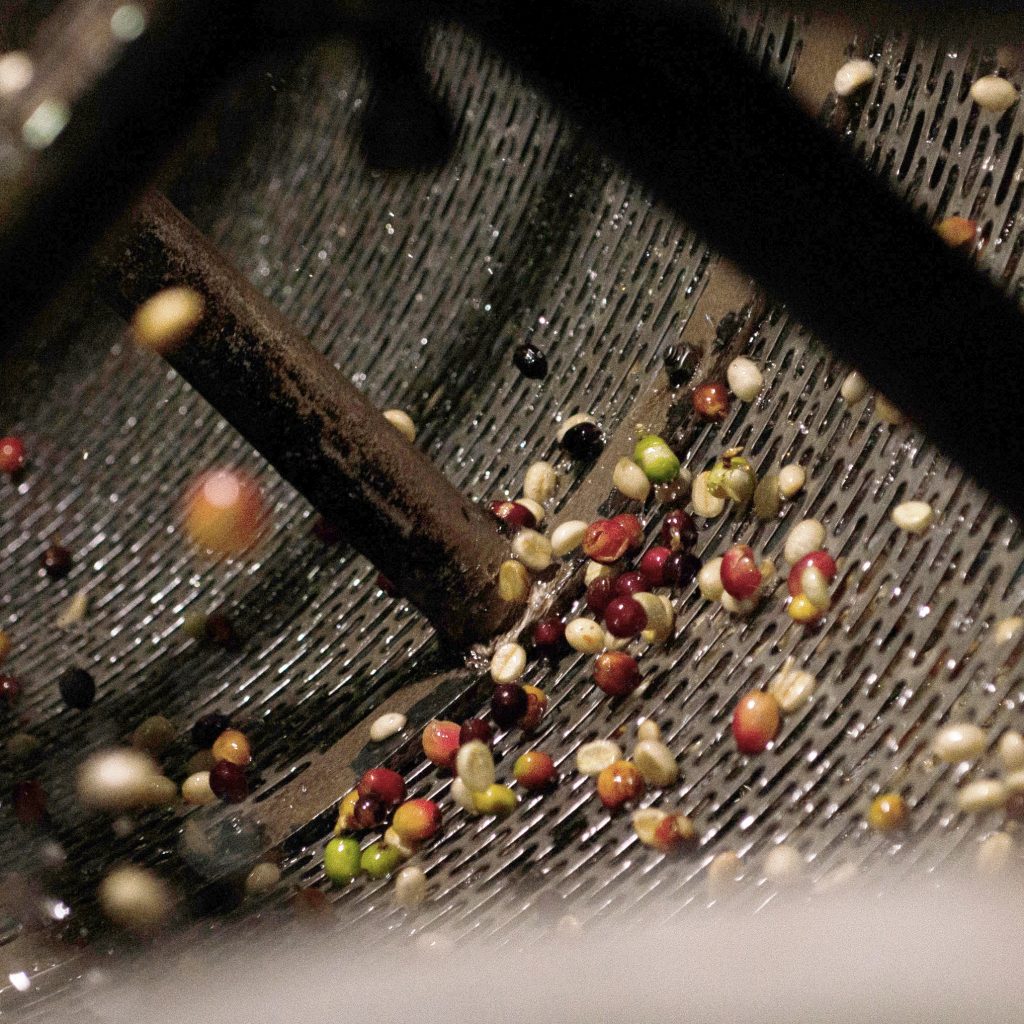
กระบวนการแยกเมล็ดกาแฟออกจากผลเชอร์รี (เช่น Washed, Honey และ Natural) รวมถึงการควบคุมการหมักอย่างพิถีพิถัน จุลินทรีย์ในธรรมชาติจะทำปฏิกิริยากับน้ำตาลในเนื้อผลไม้ เกิดเป็นสารประกอบกลิ่นหอม (Aroma Compounds) คล้ายผลไม้และดอกไม้นานาพันธุ์ ซึ่งเป็นพื้นฐานสำคัญของรสชาติในเมล็ดกาแฟคั่วคุณภาพสูง
.
4. ระดับการคั่ว (Roasting Profile)
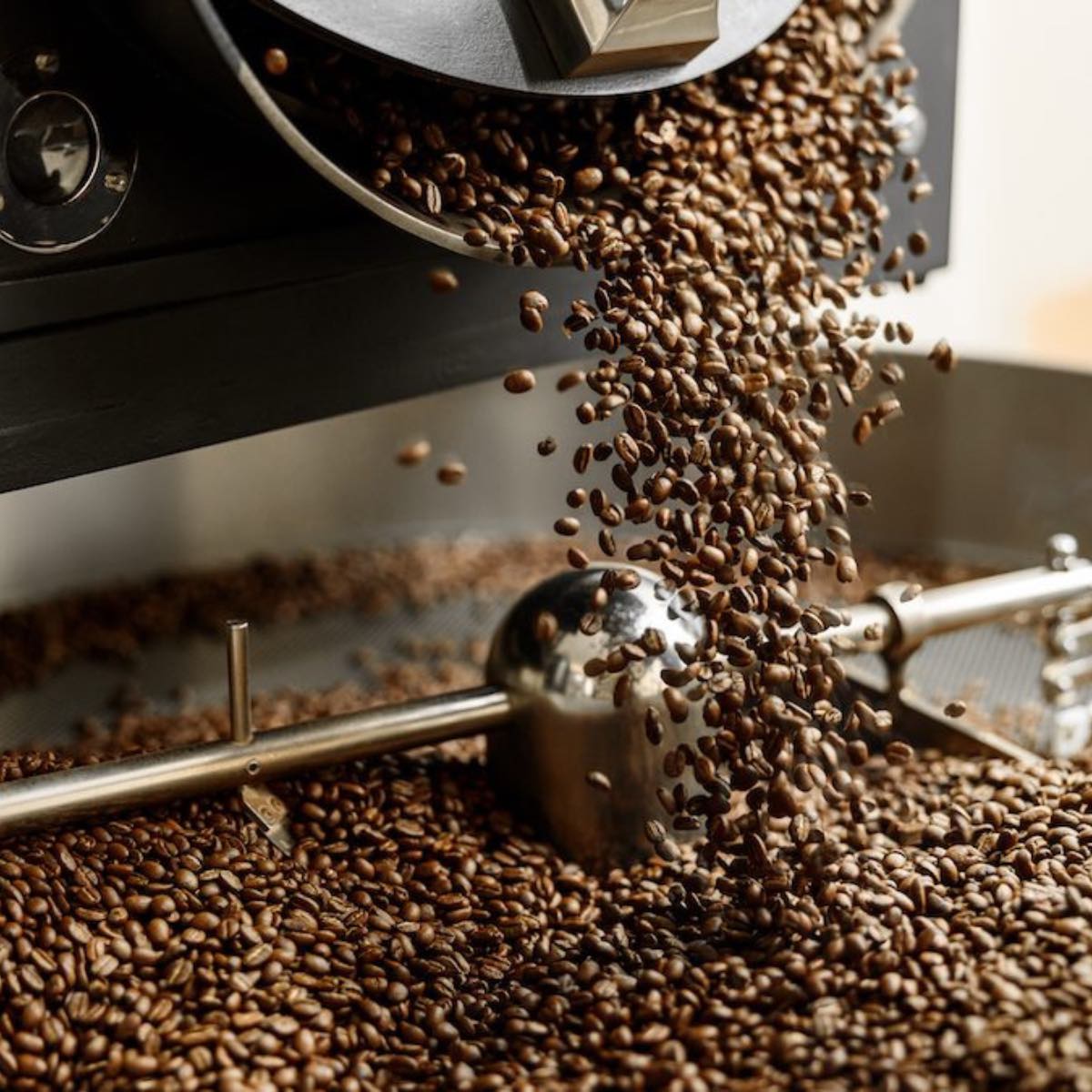
สารให้กลิ่นรสผลไม้มีความอ่อนไหวต่อความร้อน ผู้คั่วจึงมักเลือกใช้ระดับคั่วอ่อนถึงคั่วกลางอ่อน เพื่อรักษาความเปรี้ยวฉ่ำและกลิ่นหอมตามธรรมชาติเอาไว้ ทำให้เมล็ดกาแฟคั่วสามารถแสดงเอกลักษณ์ของสายพันธุ์และแหล่งปลูกได้อย่างชัดเจน
.
Tasting Notes
ข้อความบนซองเมล็ดกาแฟคั่ว เช่น Strawberry, Lychee หรือ Blueberry คือการระบุกลิ่นและรสชาติที่ผู้ดื่มรับรู้ได้จากสารอะโรมาตามธรรมชาติที่เกิดขึ้นระหว่างการเติบโต การหมัก และการคั่ว ไม่ได้หมายความว่ามีการเติมผลไม้หรือแต่งกลิ่นลงไป
.
สรุป
รสชาติผลไม้ในแก้วกาแฟ คือเสน่ห์ที่เกิดขึ้นจากสายพันธุ์ แหล่งปลูก การแปรรูป การหมัก และการคั่วที่ประสานกันอย่างลงตัว เมล็ดกาแฟคั่วแต่ละชนิดจึงสามารถให้คาแรกเตอร์ที่แตกต่างกันได้อย่างน่าทึ่ง โดยไม่มีการแต่งกลิ่นหรือเติมรสชาติเพิ่มเติม
.
----------------------------------------------------------------
Where does the fruity coffee come from?
Have you ever wondered why some coffee cups taste as refreshing as oranges, strawberries or lychees? Since there is only coffee and water in the cup? The simplest answer is because "coffee is fruit from the source".
Unique fruit does not come from modification, but is the result of the joint action of nature and science in four key stages.
1. Variety (variety) Each coffee variety has obviously different primary varieties. Arabica usually pays more attention to intensity and severity than Robusta, and provides more complex fruit tones and resolutions.
Special varieties, such as Gaisha or Ethiopian native varieties, usually provide the unique smell of flowers and fruits.
2. The altitude of planting source (soil), sea level, climate and soil nutrients have direct effects on the development of sugar and natural organic acids. The more planted in high altitude areas and cold weather, the more concentrated the sweetness and sourness of cherry coffee.
3. processing The process of separating coffee beans from carefully controlled fermented cherry fruits (such as laundry, honey and nature). Microorganisms in nature react with sugar in pulp to form aromatic compounds (aromatic compounds), similar to fruit and flower varieties.
4. Baking degree (baking profile) Fruit flavoring agent is sensitive to heat, so "light baking to moderate baking" is usually selected to keep its perfect sour taste and natural fragrance, and it will not be suppressed by heat until it becomes bitter.
Tasting Notes The words on the coffee package, such as strawberry, litchi or Brubury, are used to identify the smell and taste perceived by the drinker from "natural aromatic compounds".
Conclusion: The fruit flavor in a cup of coffee is the charm formed by the perfect coordination of variety, source, fermentation and roasting, and there is no need to season or add additional flavor.


